
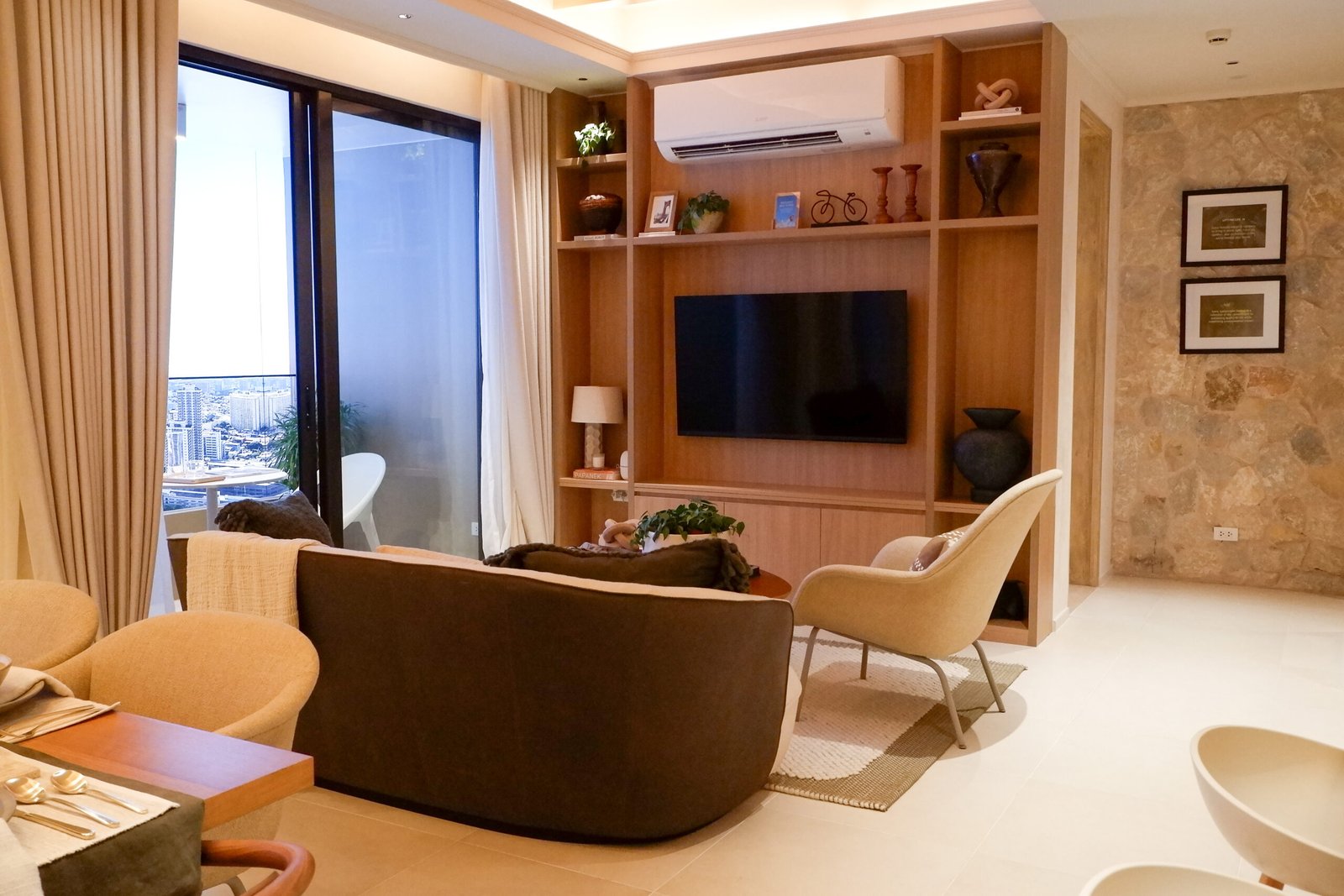
By Engr. Gia Santos, Executive Real Estate Advisor
“Green building is just marketing.”
I hear this a lot. From friends, from clients, from other agents. And I get it. Every developer now has a brochure with a tree on it. Every tower is “eco-friendly.” The word has been used so much that it stopped meaning anything.
Here’s my confession. I am a licensed engineer, and for years I believed the same thing. I assumed “sustainable” was a design theme, like Scandinavian or industrial. Something you choose for the look.
Then I started working with a developer whose entire portfolio is certified, and I had to actually read the standards. That’s when it clicked. The word “green” means nothing. The certification is what means something. Those are two different things, and most buyers are never told the difference.
So this is the article I wish someone handed me before I started. No jargon. Just what certification is, why it matters when you live in the unit, and why it matters when you’re buying one to hold.
What green certification actually is
A certification is an independent audit. That’s the whole idea.
A developer can call any building sustainable. Nobody checks. But to get certified, an outside body inspects the design, the construction, and in some cases the building after people move in. The developer does not grade their own work.
Think of it like the difference between a restaurant saying their food is healthy, and a restaurant with a published nutrition label that someone else verified. Same food. Very different level of trust.
The word “green” means nothing. The certification is what means something.
In the Philippines, only a handful of residential projects carry international certifications. That’s changing, but slowly. Most of what gets marketed as green is still just a claim.
Four names you will keep seeing
-
LEED (U.S. Green Building Council). The global standard for a building’s overall environmental design. Levels: Certified, Silver, Gold, Platinum.
-
EDGE (International Finance Corporation, World Bank Group). Measures resource efficiency. A building has to prove at least 20% savings in energy, water, and embodied energy in materials.
-
WELL (International WELL Building Institute). The only one that is about the people inside, not the building. Air, water, light, sound, materials, ten concepts in total. I wrote a separate piece on WELL because it is the one buyers care about most once they understand it.
-
BERDE (Philippine Green Building Council). Our own local rating, built for Philippine climate and conditions. 1 to 5 stars.
If you want the technical version of all four, Arthaland’s property management arm published a full guide. It’s written for developers and asset managers, so it goes deep. This article stays on the buyer side.
Why it matters when you live there
This is the part that surprised me most. I expected certification to be about the planet. It’s also about your monthly bills and your lungs.
1. Lower running costs
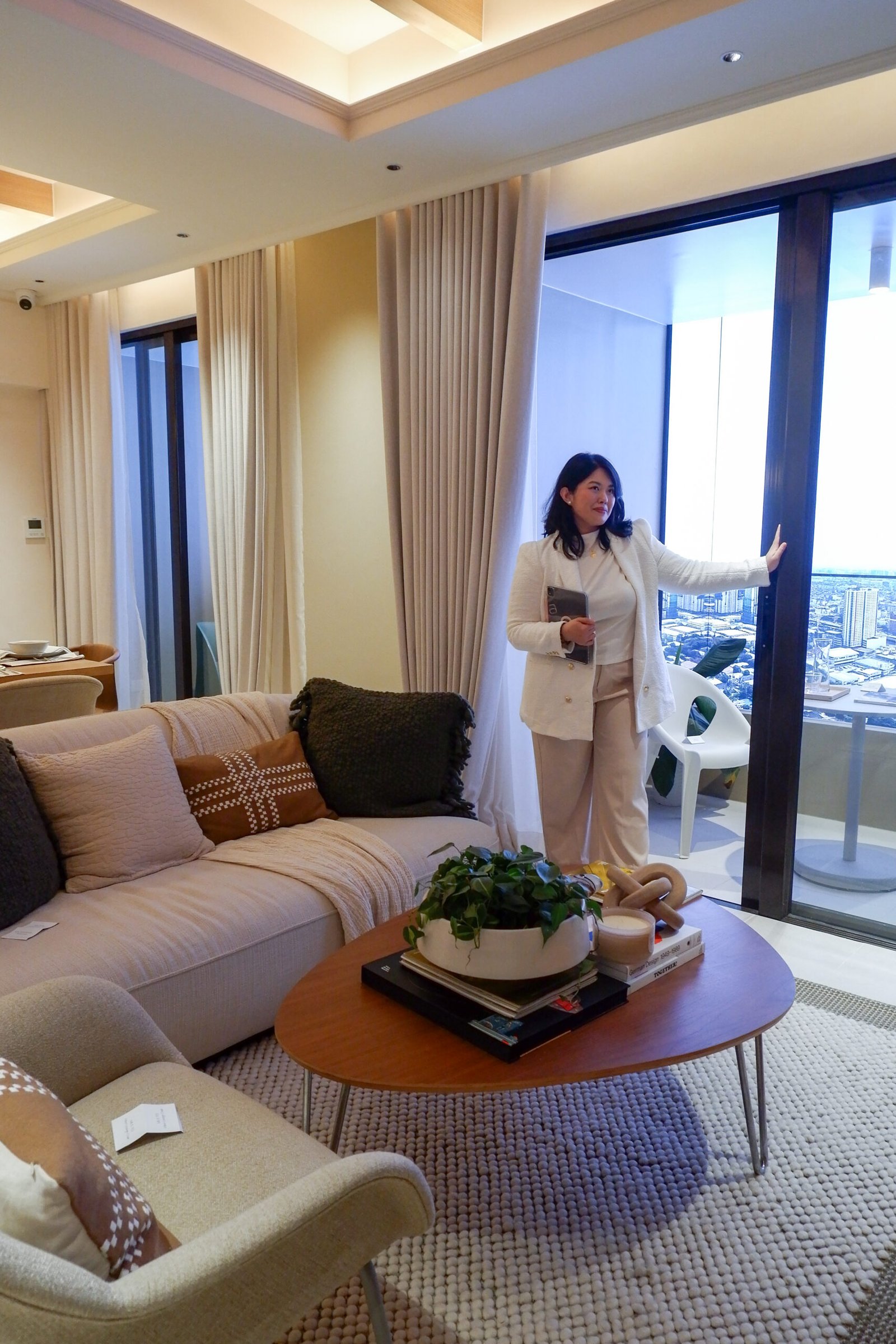
Certified buildings are designed to measurable savings targets, and those targets are audited. Sondris in Makati, for example, is designed for at least 40% energy savings and 20% water savings through efficient cooling, double-glazed windows, and water-saving fixtures. Una Apartments in Laguna is designed to lower utility bills by 20%.
Those percentages compound over a thirty-year hold. And they show up somewhere you might not expect: association dues. An inefficient building costs more to run, and that cost gets passed to unit owners every month.
2. Cleaner air
Most condos recirculate air. Certified wellness buildings bring in fresh, filtered air on purpose. Sondris supplies mechanically ventilated fresh air designed to the international ASHRAE 62.1 standard, uses low-emitting, non-toxic building materials, and equips indoor amenity areas with a dedicated outdoor air system. Una units get fresh air through an energy recovery ventilator with commercial-grade filters, plus a carbon monoxide monitor in every unit.
If anyone in your household has asthma or allergies, this is the feature that changes daily life. It’s also the one that almost never shows up in a price-per-square-meter comparison.
3. Comfort that was engineered, not decorated
Daylight, thermal comfort, acoustics. In a certified building these are measured, not assumed. Double-glazed windows keep heat out and noise down. Units are laid out to maximize natural light and ventilation. These are not amenities. They are structural decisions made before the first column was poured.
Why it matters when you invest
I used to think sustainability was a nice-to-have that buyers would pay a small premium for, if at all. The market has moved past that.
1. Buyers have changed
Arthaland’s chief sustainability officer told BusinessWorld that luxury buyers have become much more discerning and are now more conscious of sustainability features, building specifications, and construction quality. Makati rental market observers describe the same shift as a “flight to quality,” with LEED-certified buildings seeing faster absorption from corporate tenants and expats.
The buyer you will eventually resell to is more informed than the buyer of ten years ago. Certification is one of the few things on a spec sheet they can independently verify.
2. The certification stays with the building
A pool can age. A lobby can go out of style. A certification is attached to how the building was engineered. It’s a permanent part of the asset’s story, and it’s the kind of differentiator that gets harder, not easier, for competitors to copy later.
3. Luxury has held while the broader market softened
You have read the oversupply headlines. They’re real, but they’re concentrated in the affordable and mid-income segments. The top tier is a different market. Arthaland broke ground on a ₱12 billion luxury tower in Makati this year on the view that affluent buyers will keep seeking premium, sustainable addresses. Arya Residences, their first certified residential project in BGC, has appreciated roughly 300% since its launch. That is a long track record, not a projection.
I’m careful with investment claims, so I will say this plainly: certification does not guarantee appreciation. What it does is make a unit easier to defend, easier to rent, and easier to resell to the next discerning buyer.
How to check for yourself
Three questions to ask any agent, including me.
-
Is the project registered, targeting, or certified? These are three different stages. A completed building either holds a certification or it does not. A pre-selling project is targeting one. Be suspicious of anyone who blurs the line.
-
Which standard and which level? “LEED” alone is not an answer. LEED Gold is. BERDE 4-star is.
-
What are the designed savings? Ask for the percentage. If the developer can’t give you a number, there’s probably no audit behind the claim.
For context on what a fully certified estate looks like: Sevina Park in Biñan holds LEED Platinum for both Neighborhood Development and Homes, plus BERDE Districts 5-star. Arthaland is the only developer in the country whose entire residential and commercial portfolio is certified sustainable, and it was the first Asian developer to sign the World Green Building Council’s Net Zero Carbon Buildings Commitment. That is the benchmark I measure everything else against now.
Where I would start
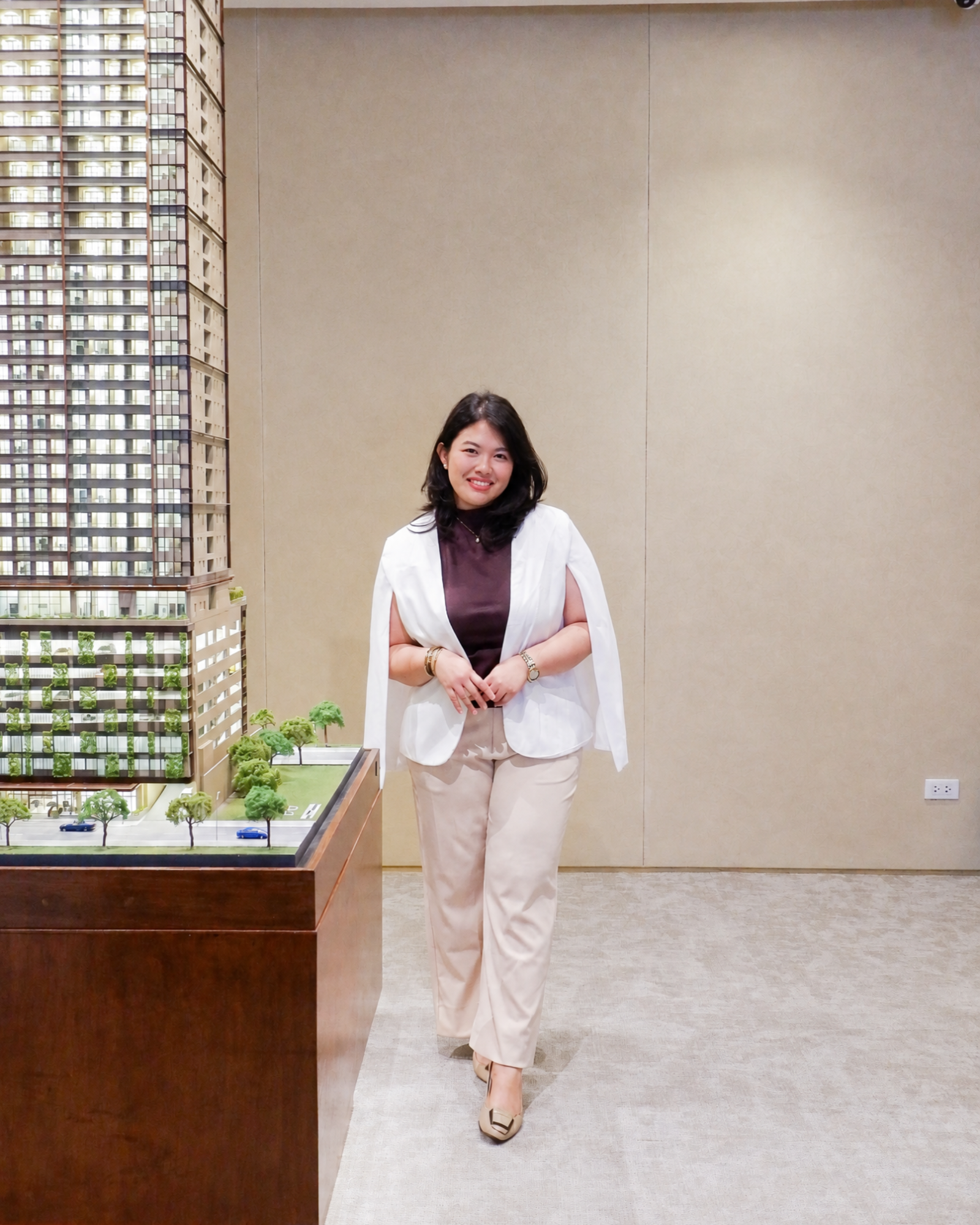
Three properties, three different lives. All three are targeting LEED, WELL, EDGE, and BERDE.
-
Sondris, Legazpi Village, Makati. Luxury inside the CBD. 252 units, six to ten per floor, a joint venture with Japan’s Mitsui Fudosan. Turnover April 2030.
-
Una Apartments at Sevina Park, Biñan, Laguna. High-end living inside a dual LEED Platinum estate, right beside DLSU Laguna, in what is shaping up to be the south’s next business district. Semi-furnished and rentable on turnover.
-
Liv North, Katipunan, Quezon City. The only development in Loyola Heights with a private footbridge directly into the Ateneo de Manila campus, exclusive to unit owners. Five minutes to LRT 2.
I’m not going to tell you which one is right. That depends on whether you are buying to live, to rent out, or to hold. What I will say is this: once you know what certification actually means, it becomes very hard to un-know it.
So the next time you tour a unit, ask the one question. Is it certified? And then watch how they answer.
That’s what I mean when I say luxury, engineered. Not luxury that was decorated to look responsible, but luxury that was built to perform, and then checked by someone with no reason to be kind. Live intentionally. Live consciously.
If you’re exploring certified luxury properties in Makati, Laguna, or Quezon City, my inbox is open.